

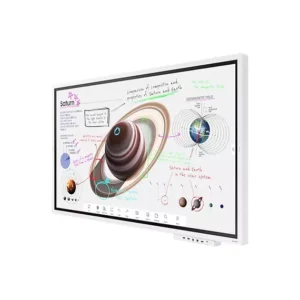
Samsung TV vs. Hisense: Choosing the Best Display in Tanzania – Flip Pro WM75B (LH75WMBWLGCXUE) Review by Hisense Extra
Choosing a new television can be a significant decision, especially in a market as dynamic as Tanzania. With brands like Samsung and Hisense offering increasingly sophisticated displays, consumers often find themselves weighing the pros and cons of each. This review, brought to you by Hisense Extra (Hisense Tanzania), focuses on helping you make an informed choice, with a special look at a compelling new display technology: the Flip Pro WM75B (LH75WMBWLGCXUE).
The Tanzanian television market has seen rapid growth and technological advancement over the past few years. While Samsung has long been a household name globally, Hisense has quickly established itself as a formidable competitor, often providing premium features at competitive price points. For consumers in Dar es Salaam, Arusha, and Mwanza, the choice often comes down to balancing display quality, smart features, and budget.
Understanding Display Technology
When comparing any Samsung TV against a Hisense model, the core of the discussion lies in the display technology. Both companies offer a range of options, including LED, QLED (Quantum Dot LED), and sometimes OLED.
Samsung’s QLED technology is well-known for producing vibrant, highly saturated colors and impressive brightness, making it excellent for well-lit Tanzanian living rooms. They often boast excellent processing power, ensuring smooth motion for sports or action movies.
Hisense, on the other hand, utilizes various technologies, including their own ULED (Ultra LED) panels. ULED is an enhanced form of LED backlighting that often includes features like local dimming zones and quantum dots, aiming to rival the performance of QLED at a typically more accessible price. For the budget-conscious consumer seeking near-premium performance, Hisense often presents exceptional value.
Introducing the Flip Pro WM75B (LH75WMBWLGCXUE)
While traditional TVs dominate the home entertainment sector, the Flip Pro WM75B (LH75WMBWLGCXUE) reviewed here represents a different class of display altogether. This 75-inch model is not just a standard television; it’s a high-end interactive digital flipchart, designed primarily for educational and business environments, though its stunning display technology warrants discussion for anyone interested in top-tier screen quality.
The Flip Pro WM75B (LH75WMBWLGCXUE) offers 4K UHD resolution, providing crystal-clear images. What distinguishes it is its ultra-fast response time and advanced touch functionality. While this specific model targets professional users—ideal for boardrooms in Oyster Bay or university lecture halls in Dodoma—the underlying display technology speaks volumes about the capabilities of its manufacturer. The clarity, viewing angles, and color accuracy are truly exceptional, reflecting the commitment to superior display quality that trickles down into their consumer television lines.
Comparing Smart Features and OS
In Tanzania, the smart TV operating system (OS) is crucial. Consumers rely on easy access to streaming services like Netflix, YouTube, and local content platforms.
Samsung typically uses its proprietary Tizen OS. Tizen is renowned for its speed, clean interface, and extensive app support. It integrates seamlessly with other Samsung ecosystem products, which is a major draw for loyal users.
Hisense primarily uses Google TV (or older versions of Android TV) on its flagship models. Google TV is highly user-friendly, offers the widest range of apps via the Google Play Store, and benefits from excellent voice control capabilities through Google Assistant. For users already integrated into the Android ecosystem, Hisense offers a familiar and powerful experience.
Price and Accessibility in Tanzania
For the average Tanzanian buyer, pricing remains a pivotal factor. Generally speaking, when comparing similarly sized and featured models (e.g., a 55-inch QLED vs. a 55-inch ULED), Hisense tends to offer a significant price advantage. This makes high-end display technology more accessible to a broader range of consumers across the region.
However, price alone should not dictate your choice. Durability, warranty support, and long-term performance are equally important. Both Samsung and Hisense have established distribution networks and service centers in key Tanzanian cities, ensuring that post-purchase support is available.
Conclusion: Which Display is Best for You?
The best display depends entirely on your needs and budget.
If you prioritize brand legacy, seamless ecosystem integration, and are willing to invest in the highest tiers of QLED technology, a Samsung TV is an excellent choice.
If you are looking for the absolute best performance-per-shilling, offering stunning ULED technology, a powerful Google TV interface, and robust features at a more competitive price point, Hisense is undoubtedly the market leader in value. Even looking at the advanced performance of a specialized display like the Flip Pro WM75B (LH75WMBWLGCXUE), it is clear that the technology supporting Hisense’s displays is world-class.
Before making your final purchase, visit a local electronics store, compare the displays side-by-side, and decide which screen truly brings the vibrant colors of Tanzania to life in your home. Remember to look for the latest models to ensure you benefit from the newest smart features and picture enhancements.